Why I blog on neocities – and about the new comment system
On my own behalf: I find the big blogging platforms like WordPress terrible and see them as part of the awful thing the internet has turned into. That’s why I blog on neocities using self-written tools (okay, self-specified and written by LLMs).
Why is WordPress so awful, for example?
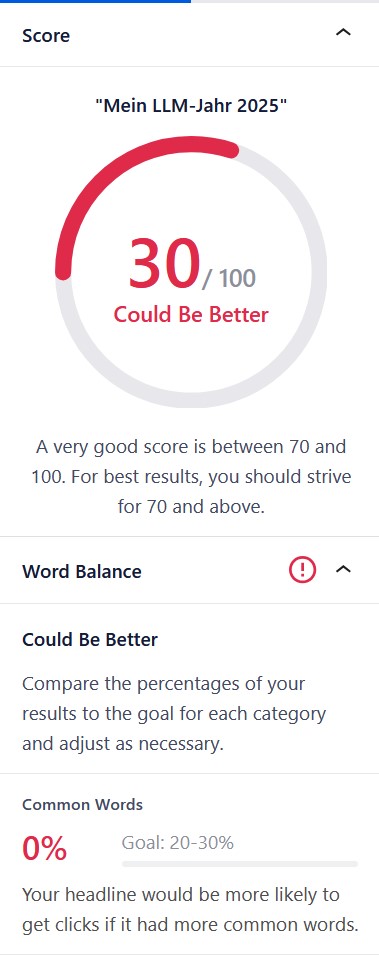
By now, the evil algorithms (rightly called evil) that the big social networks use to select the content shown to us, and that optimize not for my joy but for “engagement”, are on everyone’s lips. What isn’t on everyone’s lips: in the blogging world, nothing is left to chance anymore either. For fun, I once copied my last blog post (my LLM year 2025) into WordPress.
There I have all kinds of tools at my disposal to turn my dull text into something that goes over better with the audience. More frequent words in the title! More emotional words in the title! It’s not directly algorithmic like in the social networks, but the idea is the same. Away from my authentic text, toward maximizing visitor attention.
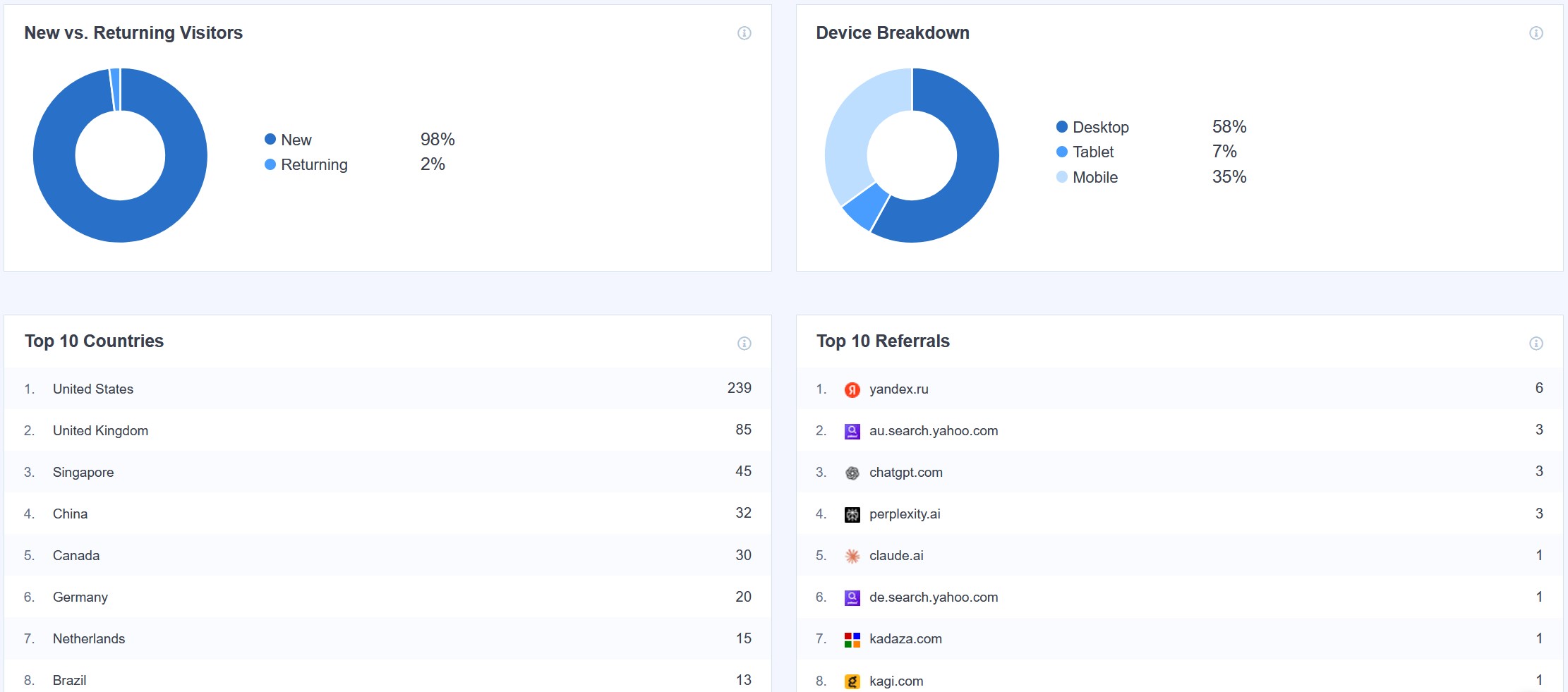
And then there are the statistics. The WordPress environment I could use shows even me as a free user a vast number of statistics about the people who read my blog. On the one hand that’s convenient. On the other hand I find it an unnecessary intrusion into other people’s privacy.
What’s different about neocities?
Neocities hosts HTML pages, nothing else. And neocities keeps a single statistic: the page views and visits of my entire website. That’s how it should be.
What does my blogging tool do?
I find it convenient to write in German and get a translation suggestion from an LLM that’s better at English than I am. And I find it convenient when you can choose whether you read my blog posts in German or English (and I don’t have to trust Google Translate in the browser). And then I also find it convenient when an LLM enriches my blog posts with HTML links to common terms so I don’t have to do that myself. Oh yes, and I’d like nicely old-fashioned HTML, not the crap (sorry) that all the generators like WordPress produce.
That’s what my tool does. You can take a look at it on my GitHub.
And now the comment system!
Okay, but the result was probably the only blog in the world where it wasn’t possible to leave a comment.
Now it is! I’m still not sure whether I’ll retroactively equip all pages with the comment field, but the newest ones now have a comment function. Which might even work.
Still applies: apart from what you specify (any name, any comment) and the date of your comment, I don’t store anything. However, I reserve the right to moderate all comments. There are enough spammers and trolls and haters. I’ll try to stick to the usual conditions while doing so.
You can also check out the comment system on GitHub.
How the comment system came to be
In case you’re interested. I also specified the comment system for Cursor + Claude Opus 4.5, and it then built it. Findings:
- 100% of the code was correct. Not a single error, not in the comment system. Not in the moderation UI. Not in the backend. Not in the frontend. Worked on the first try.
- I still had a lot of trouble with two things: neocities uses HTTPS; making HTTP connections from there to my small VPS doesn’t work. Workarounds the LLM suggested didn’t work either (as the LLM had already suspected). So I had to support HTTPS. That was nasty enough with tools I don’t know and don’t want to know, but as an admin I still don’t want to run them without roughly understanding what they do (nginx, certbot). And once HTTPS was working, I had to configure CORS so that it would load both the JavaScript files for the UI and the endpoints on my VPS IN ANOTHER DOMAIN. An unpleasant hour of my life.
But in the end it was worth it. 3000 lines of AI-generated code, a bit of hassle. Maybe 2 hours of work. Mix the ingredients well and the comment system is done. I’m curious whether you’ll use it.